Yes, you read it correctly! Today, May 30th marks the 178th anniversary of our East Indian ancestors to Trinidad and Tobago who came from India as Indentured Labourers. Blessed we are for the sacrifices they made, or else we would not be here!
From the very beginning of our journey, there is a lot to celebrate in terms of where we have come from and where we are today! While many may not understand it, those who know understand it all too well. More so, those of us who have been blessed to visit India have a deeper appreciation for the Motherland.
Trinidad and Tobago’s culture is a true melting pot of various cultures, and we are proud people, proud of our heritage and proud of our multi-ethnicity. In addition to having a rich East Indian culture shaped by our music, dance, food and so much more, we have several key landmarks that tell the story of our culture and our diversity.
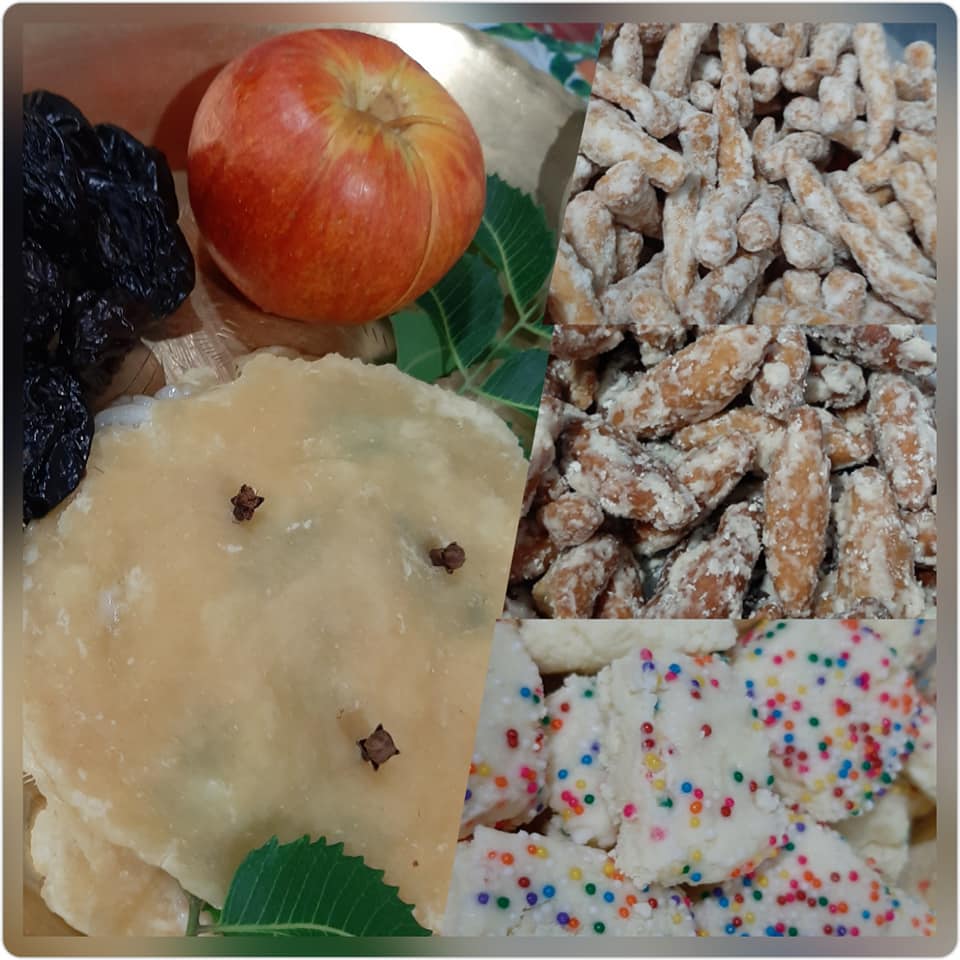
Those who know us know us for doubles, our curry and our sweets, they know us for our drums, they know us for our music (religious and otherwise), they know us for our ethnic wear, and this is a microcosm of it all. When our ancestors came, they brought with them our Holy Scriptures that continue to guide us and protect us. They brought the Ramayana, the Hanuman Chalisa, the Bhagwat-Gita and their story is one of determination, diligence, persistence, humility and endurance.
Key structures like the 85-foot Karya Siddhi Hanuman at the Sri Dattatreya Yoga Centre in Carapichaima (the largest Hanuman Murti in the Western Hemisphere) which celebrates its 20th year of consecration this year is a significant representation of strength and spirituality. The South Indian style architecture of the Sri Dattatreya Yoga Centre in itself tells a deeper story which links Trinidad to India via the unwavering, unflinching dedication, commitment and selfless work of His Holiness Param Pujya Sri Ganapathy Sachchidananda Swamiji, Pontiff at Avadhoota Datta Peetham in Mysore, India.

Another iconic structure is the Temple in the Sea named after the late Siewdass Sadhu, an Indian labourer who singlehandedly built the temple in the sea over a period of 25 years with only his bicycle to transport materials. The temple which is on a man-made island, is connected to the mainland via a pedestrian causeway.
For those of us who are fortunate, we have been able to hear the stories of our ancestors. They have given us our identity and we remain ever grateful to them for all they have done for us!
 Celebrating Existence