Posted in Celebrate Today, Celebrating Existence, Celebrating Life, Indian Arrival Day, Life, Love and Blessings

Indian Arrival Day 2026: 181 Years of Heritage, Legacy, and Reflection

Today, May 30, 2026, Trinidad and Tobago commemorates 181 years since the arrival of the first Indian indentured immigrants to our shores. It was on May 30, 1845, that the Fatel Razack arrived carrying men, women, and children whose courage and determination would forever shape the history and identity of our nation.

Indian Arrival Day is not simply about remembering a date in history. It is a time to reflect on the sacrifices, resilience, faith, and perseverance of those who left their homeland and journeyed across the Kala Pani in search of opportunity and a better future. Between 1845 and 1917, thousands of Indians arrived in Trinidad under the indentureship system, contributing significantly to the social, cultural, agricultural, and economic development of the country.

As someone deeply interested in understanding my roots, Indian Arrival Day carries a personal significance. Learning about the experiences of our ancestors has inspired me to explore their journey more deeply and appreciate the sacrifices that made life possible for future generations. Discovering stories about indentureship, researching family ancestry, and reflecting on the lives of those who crossed oceans with little certainty has strengthened my connection to my heritage.

One of the most meaningful experiences in this journey of discovery was visiting the Indian Caribbean Museum in Carapichaima. The museum offers an insightful look into the lives of indentured immigrants through preserved artifacts, photographs, documents, and historical records. Walking through the exhibits provides a powerful reminder that behind every statistic was a real person with hopes, dreams, and challenges. It transforms history from words on a page into a living story that continues to influence generations today.

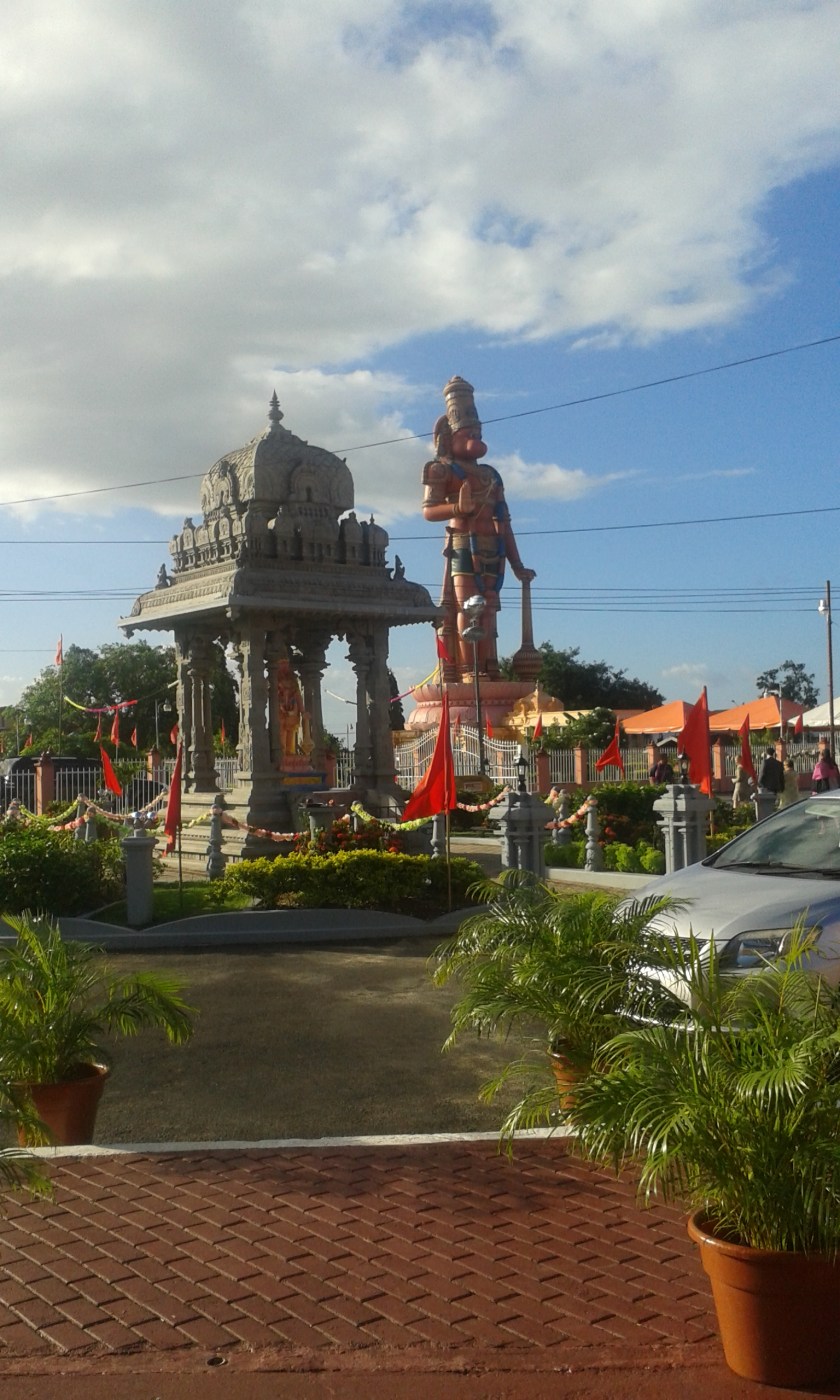
Trinidad and Tobago is also home to many significant landmarks that stand as symbols of Indian heritage and cultural preservation. The majestic 85-foot Lord Hanuman Murti at the Dattatreya Yoga Centre in Carapichaima is one of the most recognized icons of Hindu spirituality in the Caribbean. Towering above the landscape, it serves as a reminder of the faith and devotion that many indentured immigrants carried with them despite the hardships they faced.

Equally significant is the Temple in the Sea at Waterloo, a monument to perseverance and unwavering belief. Built through the determination of Siewdass Sadhu, the temple remains one of the country’s most treasured landmarks and a symbol of dedication, sacrifice, and spiritual commitment. These sites represent more than architecture; they embody the enduring spirit of a people who preserved their traditions while contributing to the multicultural identity of Trinidad and Tobago.

The year 1917 marked the official end of the indentureship system, closing a 72-year chapter in the nation’s history. Yet the legacy of those early immigrants continues to thrive in our festivals, food, music, religion, language, family values, and national development. Their influence can be seen throughout every aspect of Trinidad and Tobago’s cultural landscape.

As we celebrate 181 years of Indian Arrival, we honour not only the arrival of our ancestors but also the legacy they built through hard work, sacrifice, faith, and determination. Their story reminds us of the importance of remembering our history, preserving our cultural heritage, and passing these lessons on to future generations.

Indian Arrival Day is a celebration of resilience, identity, and gratitude. It is an opportunity to reflect on where we came from, appreciate the journey that brought us here, and recognize the countless contributions made by generations of descendants who continue to enrich Trinidad and Tobago.

As we commemorate this historic milestone, may we continue to honour our ancestors with pride, preserve the traditions they carried across the oceans, and celebrate the rich cultural legacy that remains alive 181 years later.

Happy Indian Arrival Day 2026.

181 Years of Heritage. Legacy. Reflection. Pride.

Posted in Indian Arrival Day, Life, Trinidad and Tobago, You Tube

Celebrating 180 Years of Indian Arrival in Trinidad: A Journey of Resilience and Legacy

May 30, 2025, marks a momentous milestone in Trinidad and Tobago’s rich multicultural history — the 180th anniversary of Indian Arrival Day. It is a day to honour the endurance, culture, and contributions of the East Indian community, whose journey began in 1845 with the arrival of the first indentured laborers from India aboard the Fatel Razack.

This historic voyage marked the beginning of a new chapter, not only for those who arrived seeking opportunity, but for the very fabric of Trinidad and Tobago. Over 140,000 Indians would follow over the decades, facing hardship, uncertainty, and cultural displacement. Yet, through resilience and deep-rooted values, they laid the foundation for generations to flourish.

Today, the influence of the Indian community is deeply woven into the national identity — from cuisine, music, and religion, to agriculture, entrepreneurship, and education. Festivals such as Divali, Phagwa, and Indian Arrival Day itself reflect the vibrant legacy passed down through time. Today, Trinidad and Tobago is the home of the 85 ft Sri Karya Siddhi Hanuman Murti which is the tallest murti in the Western Hemisphere and it stands majestically tall at the Sri Dattatreya Yoga Centre in Carapichaima. Today, Trinidad and Tobago it is the home of the Indian Caribbean Museum of Trinidad and Tobago.

Trinidad and Tobago has been profoundly shaped by the contributions of its East Indian population. Over the years, these contributions have enriched the nation’s culture, economy, religion, cuisine, language, and national identity. Here are some key areas where East Indian influence is especially notable:

1. Religion and Spiritual Life

  • Hinduism and Islam took root in Trinidad through Indian indentured laborers, and today, both are integral parts of the country’s religious landscape.
  • Temples and mosques are found throughout the islands, including iconic sites like the Temple in the Sea and Sri Dattatreya Yoga Centre.
  • Religious celebrations such as Divali (Festival of Lights) and Eid-ul-Fitr are national holidays, celebrated by all communities.

2. Festivals and Cultural Celebrations

  • Phagwa (Holi) is celebrated with color, song (chowtal), and community spirit.
  • Divali Nagar is a major annual cultural event, showcasing Indian music, dance, food, and spiritual teachings.
  • Indian Arrival Day (May 30) itself is a public holiday commemorating the arrival and legacy of Indian people.

3. Music and Performing Arts

  • East Indians brought with them musical traditions such as bhajans, chowtal, and classical Indian music, which have evolved into unique Trinbagonian forms.
  • The tassa drum is a lively and powerful musical instrument rooted in Indian tradition and now a staple at weddings, funerals, and cultural events.
  • East Indian dance forms, such as kathak and folk dances, have found a place in schools and community events.
Display for Indian Arrival Day taken at The Price Club in Chaguanas (pic 1)

4. Food and Cuisine

  • Trinidad and Tobago’s food culture has been heavily influenced by East Indian cuisine.
  • Dishes like roti, dhal, doubles, sada and fry aloo, channa and curry, and kurma are now beloved national staples.
  • The use of spices, chutneys, and cooking techniques has created a unique Indo-Caribbean flavor.
Display for Indian Arrival Day taken at The Price Club in Chaguanas (pic 2)

5. Language and Literature

  • Words from Hindi, Bhojpuri, and Urdu have blended into local dialects and expressions.
  • Indo-Trinidadian writers, poets, and scholars have contributed richly to national and Caribbean literature, exploring themes of identity, migration, and memory.

6. Agriculture and Economy

  • Early Indian settlers were primarily employed in agriculture and played a significant role in sustaining the sugar and rice industries.
  • Many Indians became landowners and farmers after indentureship ended, helping to feed and support the growing nation.

7. Education and Public Life

  • Indo-Trinidadians have excelled in education, producing scholars, educators, and professionals across fields.
  • They have contributed significantly to politics, law, and public service, with many serving as national leaders, ministers, and diplomats.

East Indian contributions in Trinidad and Tobago are not only visible—they are foundational. From temples to tassa, roti to resilience, and music to multiculturalism, their legacy continues to shape and define the spirit of the nation.

What exactly did we do? That is, in addition to dressing our kids with East Indian wear. Our daughter needed to choose food or delicacy East Indian brought to Trinidad and Tobago. First, she wanted to prepare alloo pies and yes, we did, but then we decided for her project for her to prepare tilly cake with white till (also known as sesame seeds) which is a sweet prepared for Goddess Saraswati especially for Basant Panchami.

The 180th anniversary is more than a commemoration — it is a celebration of survival, adaptation, and unity. It is also a reminder of the shared history that binds the nation together, where diverse roots grow in harmony.

As we reflect on this milestone, let us pay tribute to the sacrifices of the early arrivals, honor the wisdom of our elders, and continue nurturing a future built on mutual respect and cultural pride.

Happy Indian Arrival Day, Trinidad and Tobago — 180 years strong and thriving.