A Guru Purnima Reflection
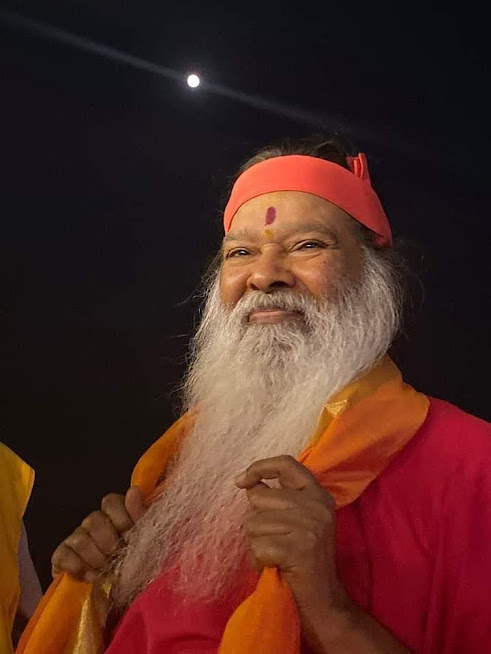
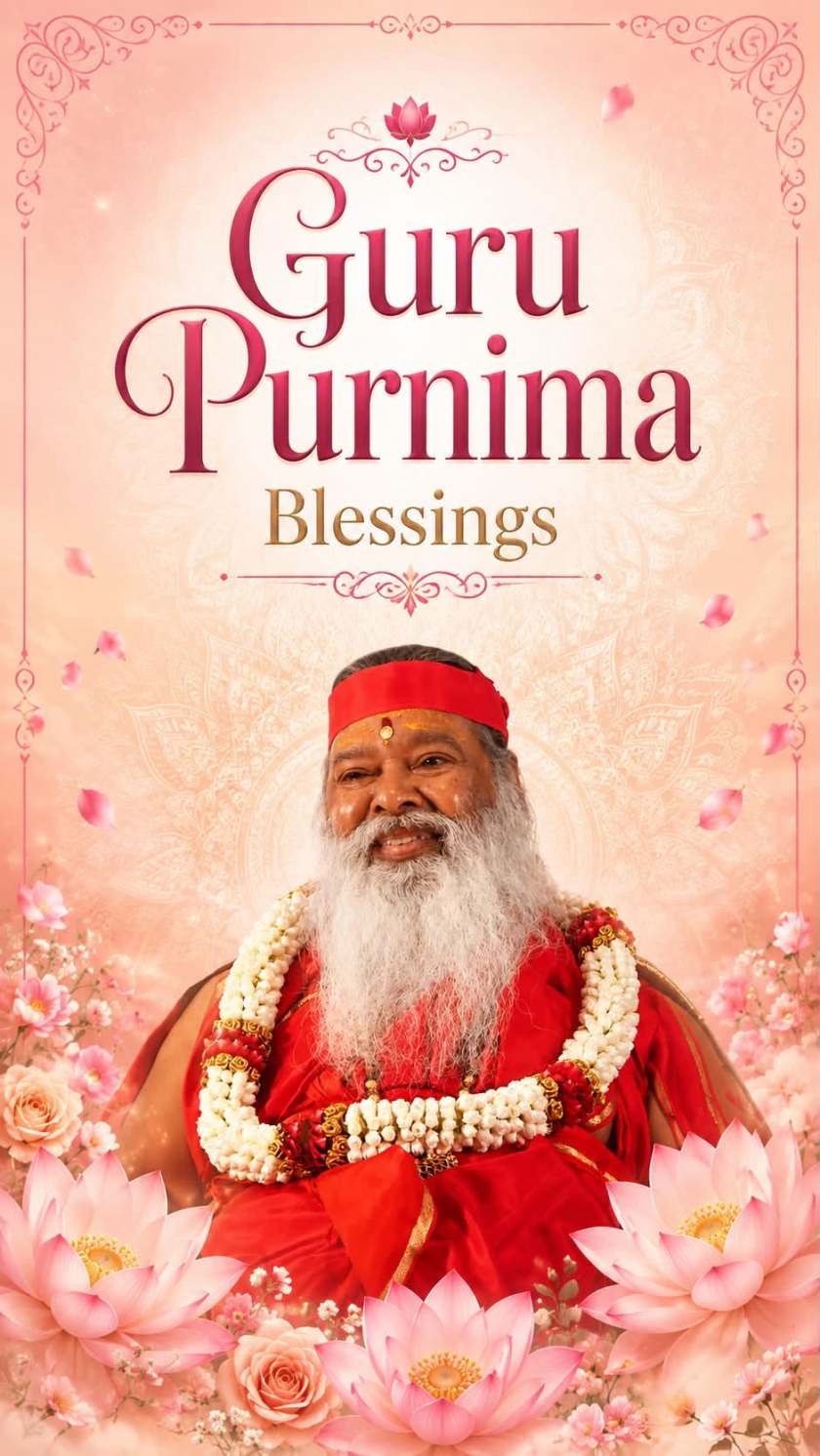
On this sacred Guru Purnima, I bow with deepest gratitude at the lotus feet of Parama Pujya Sri Ganapathy Sachchidananda Swamiji—our beloved Pujya Dattaji—and with reverence to Pujya Sri Datta Vijayananda Teertha Swamiji (Bala Swamiji), the living continuation of this sacred Guru Parampara.
There are moments in life when words seem too small to express what the heart knows. Today is one of those moments.
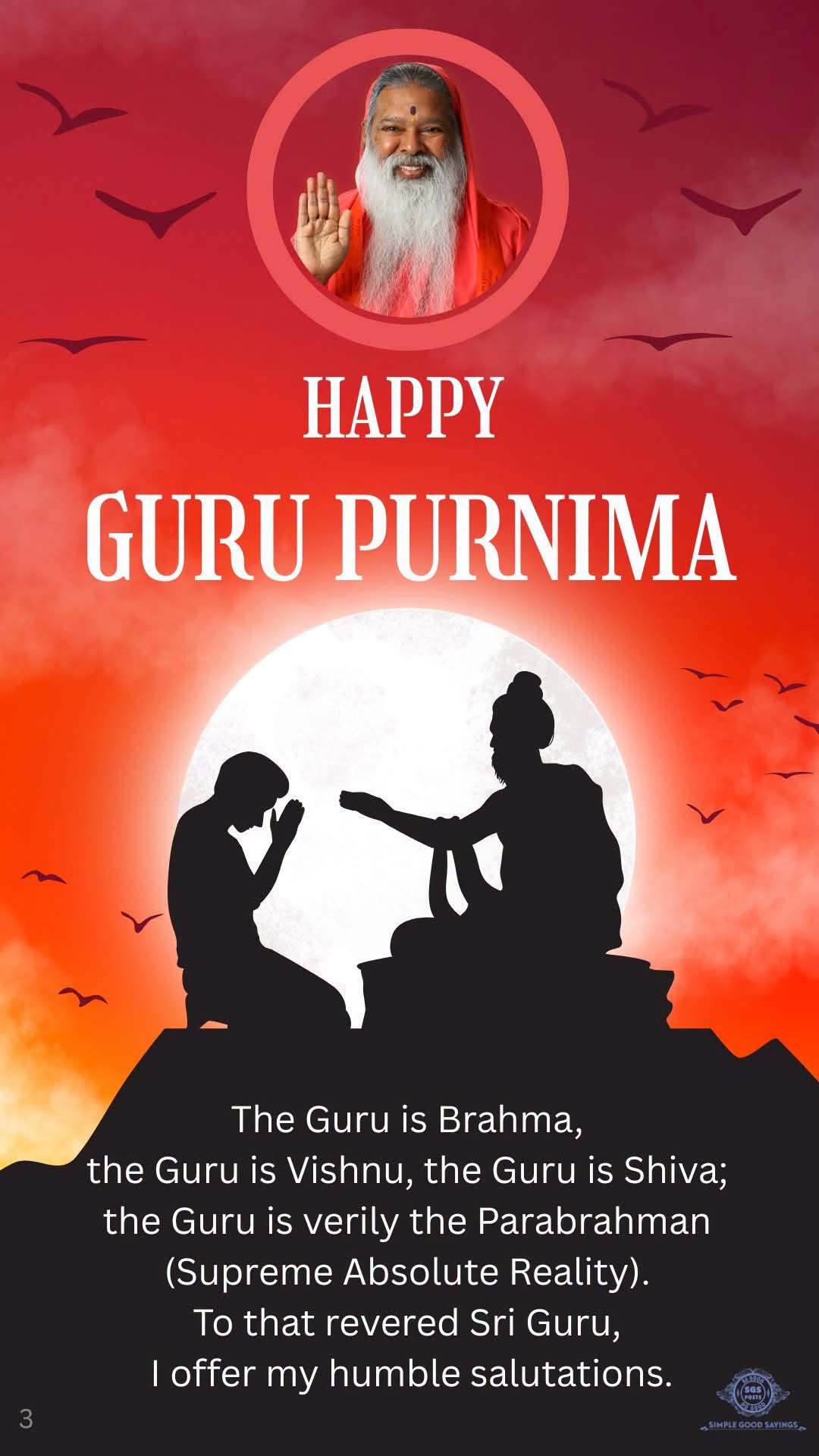
Guru Purnima is far more than a festival. It is a sacred reminder of the immeasurable blessing of having a Guru. It is a day to pause, reflect and offer heartfelt gratitude to every Guru who has shaped our lives—our parents, teachers, mentors and all those who have guided us with wisdom, compassion and love. Each has left an imprint on our journey and helped us become who we are today.
Yet among all these blessings stands the Sadguru.
A Guru does not simply teach.
A Guru transforms.
He sees the light within us long before we are able to see it ourselves. Through boundless compassion, unwavering patience and infinite grace, He gently guides us from fear to faith, from restlessness to peace and from darkness to light.
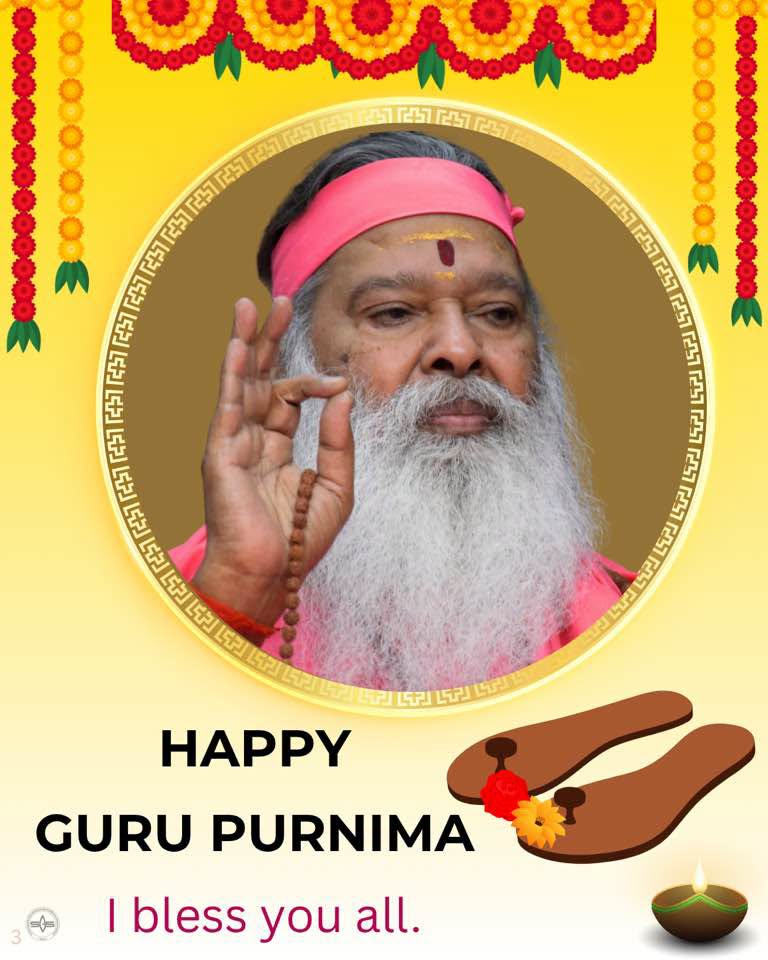
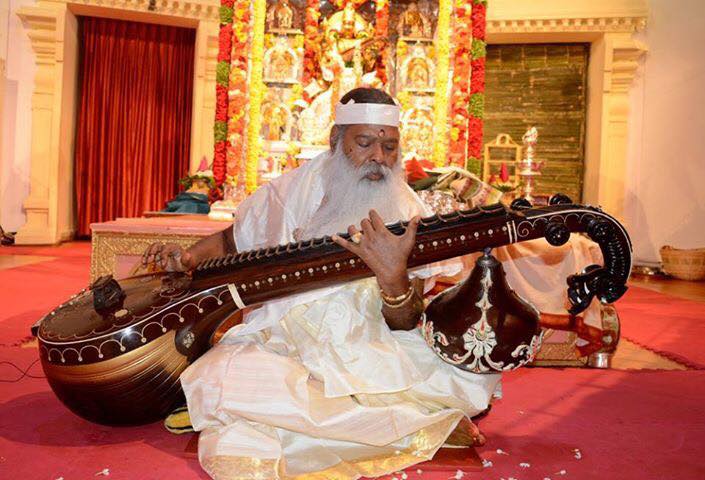
For countless devotees across the world, Pujya Dattaji has been a beacon of hope. Through His divine music, timeless wisdom, selfless service and unconditional love, He has touched lives in ways that cannot always be measured but are deeply felt. Hearts have been healed, minds have found calm, families have discovered strength and souls have been awakened through His blessings.
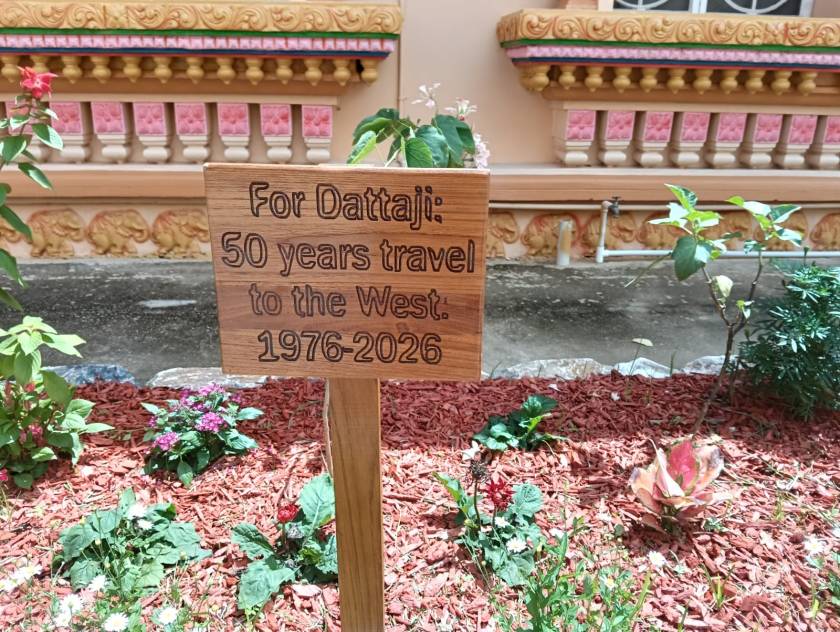
What inspires me most is that His service has never ceased. Through His travels across the world, His healing concerts, His teachings, His humanitarian work, temples, publications, technology and every new initiative, He continues to find new ways to reach humanity. His mission has always remained the same—to uplift, to heal and to awaken.
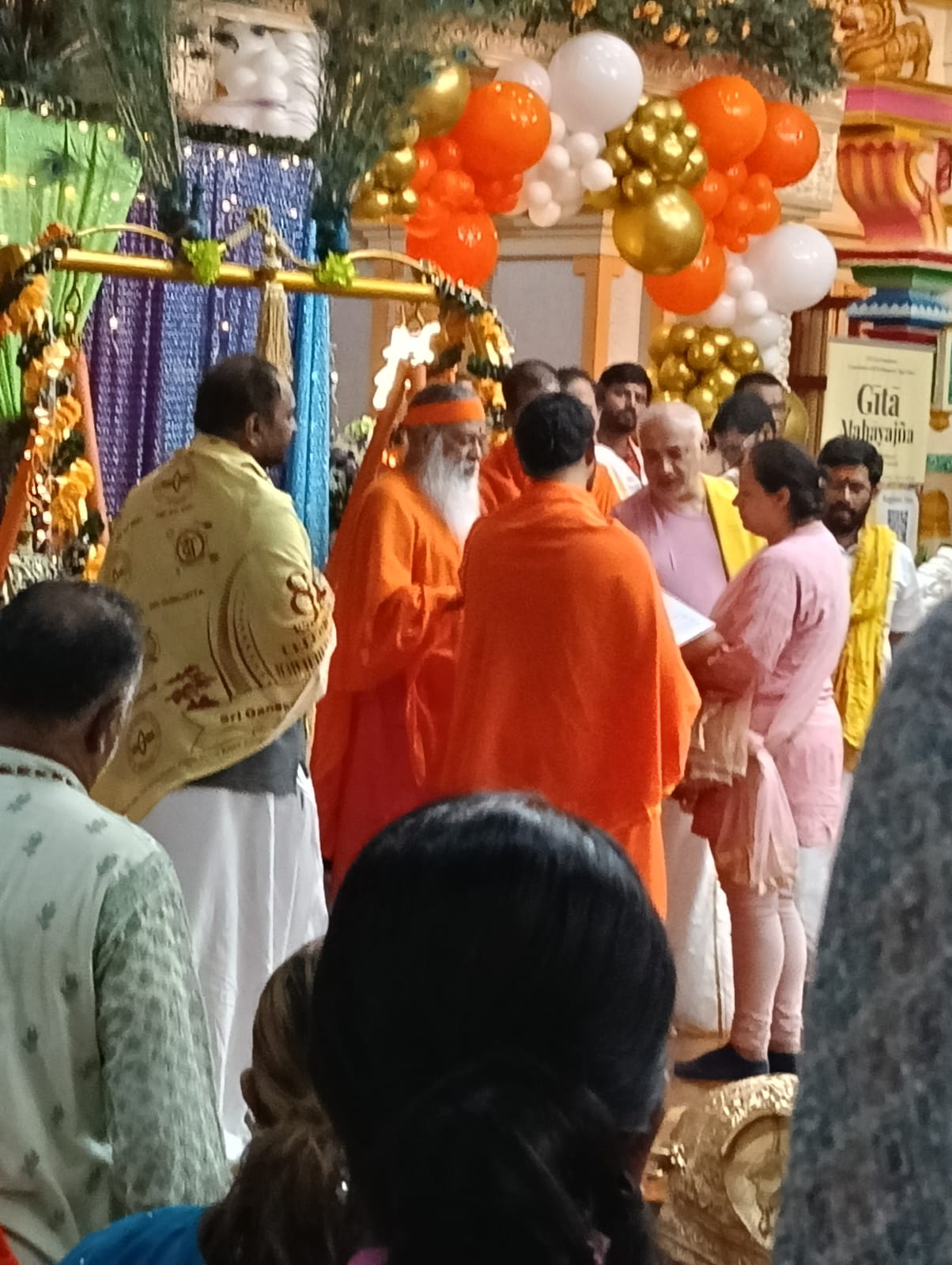
How blessed we are to also witness that sacred mission continuing through Pujya Sri Datta Vijayananda Teertha Swamiji (Bala Swamiji). With humility, devotion and unwavering dedication, He carries forward the timeless values of the Guru, reminding us that the light of the Guru Parampara continues to shine brightly for generations to come.
To walk this path under the guidance of such Masters is a privilege beyond words. Every teaching, every bhajan, every darshan, every blessing and every act of compassion remind us that spirituality is not merely something to practise—it is something to live.
Today was, in every sense, a Guru Purnima.
I spent the day immersed in the lives and teachings of both Pujya Dattaji and Bala Swamiji, watching today’s live broadcasts that reminded me once again of Their extraordinary compassion, humility and tireless service. I listened to the healing vibrations of Sacred Flute Meditation, allowing each note to quiet the mind and nourish the soul. Behind the scenes, I worked on posts, reels and messages, hoping in some small way to help share the Guru’s light with others and inspire more people to experience the peace, healing and grace that They so selflessly offer.
One of the greatest blessings of the day was watching my children embrace Guru Purnima with such innocence, reverence and joy. Seeing them watch the live broadcasts, listen attentively to the music and naturally participate in these sacred moments filled my heart with hope and gratitude. It reminded me that the Guru’s grace does not end with one generation. It quietly continues, touching young hearts, shaping young minds and planting seeds of faith that will blossom throughout their lives.
I worked despite my limitations.
Yet, through it all, my heart remained filled not with exhaustion, but with gratitude.
Gratitude for every blessing received.
Gratitude for every lesson learned.
Gratitude for every challenge that has strengthened my faith.
Gratitude for the privilege of raising my children under the guidance of the Guru.
Gratitude for the opportunity to serve, however small that service may seem.
Gratitude for the immeasurable grace of the Guru that continues to guide, protect and uplift me each day.
Life without Pujya Dattaji is, for me, truly unthinkable.
How do you thank someone who has given you a completely different way of seeing the world?
How do you measure the value of a blessing that has become woven into the very fabric of your life?
The greatest blessing is not simply that we know our Guru.
It is that He knows us.
That He patiently guides us.
That He believes in us.
That He loves us, even while He continues to shape us into the people He knows we can become.
On this Guru Purnima, I offer my heartfelt pranams and endless gratitude to every Guru who has blessed my life, and especially to my beloved Gurus, Parama Pujya Sri Ganapathy Sachchidananda Swamiji and Pujya Sri Datta Vijayananda Teertha Swamiji.
May I honour Them not only through my prayers today, but through the kindness I show, the truth I uphold, the gratitude I cultivate and the love I share with every living being.
With folded hands and a grateful heart, I pray:
May Your divine blessings continue to illuminate our lives. May we always remain worthy instruments of Your compassion. May we walk the path You have shown us with faith, humility and unwavering devotion. May Your message of peace, love and selfless service continue to reach every corner of the world, bringing hope, healing and light to all. May we always cherish the blessing of the Guru and strive to live lives that reflect Your teachings.
Happy Guru Purnima to everyone who has been blessed by the guidance of a Guru.
Jaya Guru Datta.