Today, May 30, 2026, Trinidad and Tobago commemorates 181 years since the arrival of the first Indian indentured immigrants to our shores. It was on May 30, 1845, that the Fatel Razack arrived carrying men, women, and children whose courage and determination would forever shape the history and identity of our nation.
Indian Arrival Day is not simply about remembering a date in history. It is a time to reflect on the sacrifices, resilience, faith, and perseverance of those who left their homeland and journeyed across the Kala Pani in search of opportunity and a better future. Between 1845 and 1917, thousands of Indians arrived in Trinidad under the indentureship system, contributing significantly to the social, cultural, agricultural, and economic development of the country.
As someone deeply interested in understanding my roots, Indian Arrival Day carries a personal significance. Learning about the experiences of our ancestors has inspired me to explore their journey more deeply and appreciate the sacrifices that made life possible for future generations. Discovering stories about indentureship, researching family ancestry, and reflecting on the lives of those who crossed oceans with little certainty has strengthened my connection to my heritage.
One of the most meaningful experiences in this journey of discovery was visiting the Indian Caribbean Museum in Carapichaima. The museum offers an insightful look into the lives of indentured immigrants through preserved artifacts, photographs, documents, and historical records. Walking through the exhibits provides a powerful reminder that behind every statistic was a real person with hopes, dreams, and challenges. It transforms history from words on a page into a living story that continues to influence generations today.
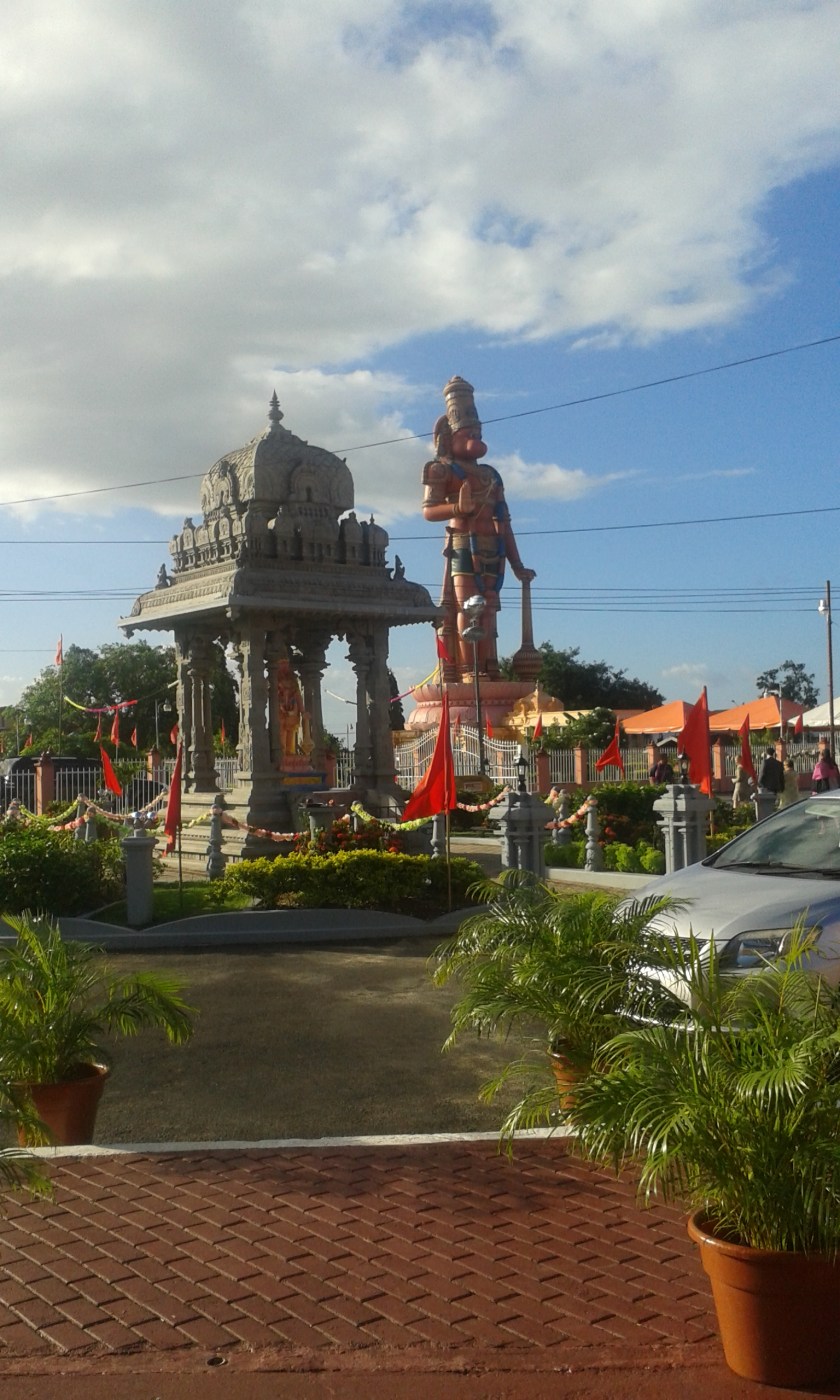
Trinidad and Tobago is also home to many significant landmarks that stand as symbols of Indian heritage and cultural preservation. The majestic 85-foot Lord Hanuman Murti at the Dattatreya Yoga Centre in Carapichaima is one of the most recognized icons of Hindu spirituality in the Caribbean. Towering above the landscape, it serves as a reminder of the faith and devotion that many indentured immigrants carried with them despite the hardships they faced.
Equally significant is the Temple in the Sea at Waterloo, a monument to perseverance and unwavering belief. Built through the determination of Siewdass Sadhu, the temple remains one of the country’s most treasured landmarks and a symbol of dedication, sacrifice, and spiritual commitment. These sites represent more than architecture; they embody the enduring spirit of a people who preserved their traditions while contributing to the multicultural identity of Trinidad and Tobago.
The year 1917 marked the official end of the indentureship system, closing a 72-year chapter in the nation’s history. Yet the legacy of those early immigrants continues to thrive in our festivals, food, music, religion, language, family values, and national development. Their influence can be seen throughout every aspect of Trinidad and Tobago’s cultural landscape.
As we celebrate 181 years of Indian Arrival, we honour not only the arrival of our ancestors but also the legacy they built through hard work, sacrifice, faith, and determination. Their story reminds us of the importance of remembering our history, preserving our cultural heritage, and passing these lessons on to future generations.
Indian Arrival Day is a celebration of resilience, identity, and gratitude. It is an opportunity to reflect on where we came from, appreciate the journey that brought us here, and recognize the countless contributions made by generations of descendants who continue to enrich Trinidad and Tobago.
As we commemorate this historic milestone, may we continue to honour our ancestors with pride, preserve the traditions they carried across the oceans, and celebrate the rich cultural legacy that remains alive 181 years later.
Happy Indian Arrival Day 2026.
181 Years of Heritage. Legacy. Reflection. Pride.